Introduction
Crafting a masonry walkway isn’t just about laying stones; it’s an art form that marries aesthetics with functionality. In a world where first impressions matter, the pathway to your home or garden can speak volumes about your style and attention to detail. As homeowners increasingly recognize the importance of outdoor spaces, the demand for durable and visually appealing masonry walkways has surged. But what goes into creating these stunning pathways?
In this article, we’ll explore The Art of Crafting Durable Masonry Walkways, delving deep into materials, design considerations, maintenance tips, and more. Get ready to transform your outdoor space!
Understanding Masonry Walkways
What is a Masonry Walkway?
A masonry walkway is a durable pathway built using https://tritonsindustries.com/what-is-a-masonry-walkway-ultimate-guide/ stone, brick, concrete, or other similar materials. Unlike basic gravel paths or wooden walkways, masonry options offer longevity and style that can withstand various weather conditions.
Why Choose Masonry Over Other Materials?
When considering outdoor pathways, one might wonder: why choose masonry? Here are some compelling reasons:
- Durability: Masonry can last for decades with minimal upkeep. Aesthetics: Various design options are available to match any style. Versatility: Suitable for different climates and environments.
The Art of Crafting Durable Masonry Walkways
Creating a successful masonry walkway involves meticulous planning and execution. It requires not only an understanding of materials but also knowledge of design principles.
Step-by-Step Process
Planning Your Design- Consider your landscape. Decide on the width and shape. Assess foot traffic needs.
- Natural stone (granite, slate). Brick. Concrete pavers.
- Clear existing vegetation. Mark the layout with stakes. Dig out the path area.
- Use crushed stone or gravel for drainage. Ensure a level surface.
- Start from one end and work in sections. Fit stones tightly together.
- Fill gaps with sand or gravel. Compact the surface for stability.
Materials Matter: Choosing the Right Stone
Different Types of Stones Used in Masonry Walkways
Choosing the right material is crucial to both aesthetics and durability. Here are some popular choices:
- Granite: Known for its hardness and variety of colors. Limestone: Offers a softer appearance but is less durable than granite. Slate: Provides unique textures but can be more expensive.
Pros and Cons of Each Material
| Material | Pros | Cons | |-----------|-------------------------------------|---------------------------------| | Granite | Extremely durable; low maintenance | Heavier; more expensive | | Limestone | Aesthetic appeal; easy to work with| Can weather quickly | | Slate | Unique styles; natural feel | Prone to cracking |
Design Considerations for Your Masonry Walkway
Style Choices: Traditional vs. Contemporary
Your choice of style will set the tone for your property:
- Traditional Designs often incorporate symmetrical patterns using bricks or cobblestones that evoke classic elegance. Contemporary Designs, on the other hand, lean towards sleek lines and minimalist aesthetics with larger stones or even irregular shapes.
Incorporating Landscaping Elements
Pairing your walkway with landscaping elements can elevate its beauty:
- Add flowers alongside edges for color. Incorporate lighting fixtures to enhance visibility at night.
Maintenance Tips for Long-lasting Masonry Walkways
Routine Cleaning Habits
To keep your masonry walkway looking pristine:
Sweep away debris regularly. Wash off stains using mild detergent mixed with water.Seasonal Maintenance Tasks
As seasons change, so should your maintenance routine:
- Inspect joints in spring after winter’s thawing effects. Seal surfaces every few years to prevent water infiltration in colder months.
Common Issues & Troubleshooting
Cracks Forming in Your Walkway
What causes cracks in masonry walkways?
Cracks can arise from several factors including:
- Ground movement Poor installation techniques To address this issue:
Weeds Growing Between Stones
Weeds sprouting up between stones can be more than just an eyesore; they can disrupt the integrity of your walkway too! To combat this:
Apply landscaping fabric beneath stones during installation to suppress growth. Regularly pull weeds before they take root deeply.Enhancing Safety Features in Your Walkway
Non-Slip Surfaces: Safety First!
Safety should always be a top priority! Consider incorporating non-slip surfaces especially if you live in an area prone to rain or snow—this could mean opting for textured stones or adding anti-slip coatings post-installation.
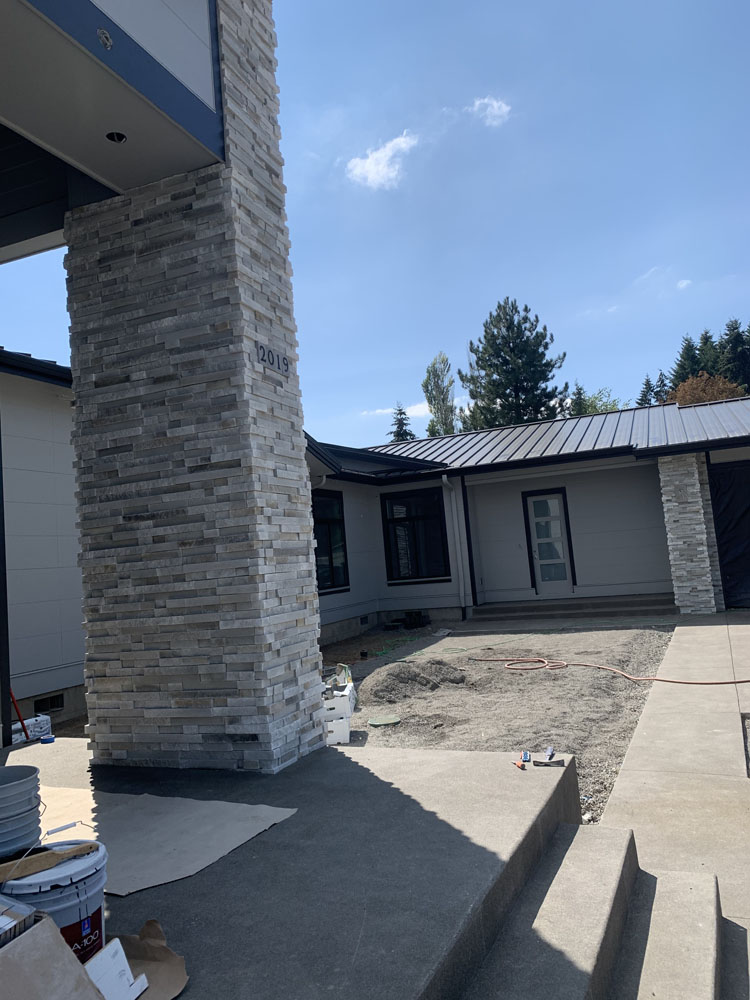
Adequate Lighting Solutions
Good lighting not only enhances safety but also adds charm:
- Install solar path lights along edges. Use uplighting around larger decorative features like sculptures or trees nearby.
FAQs About Masonry Walkways
What is the average cost of installing a masonry walkway?
The average cost varies widely depending on materials used and size but generally ranges from $10 to $30 per square foot installed.
How long do masonry walkways last?
When properly maintained, masonry walkways can last anywhere from 20 to 50 years!
Can I install a masonry walkway myself?
Yes! While it requires effort and planning, DIY installations are feasible if you have basic skills—just follow guides closely!
What maintenance does a masonry walkway require?
Regular cleaning combined with periodic sealing will help maintain its appearance over time while preventing damage from moisture infiltration.
Are there eco-friendly options available for masonry walkways?
Absolutely! Look into sustainable materials like reclaimed bricks or permeable pavers which allow water drainage while being aesthetically pleasing!
Can I change my existing concrete sidewalk into a masonry pathway?
Yes! Depending on local regulations regarding alterations—and whether structural changes are needed—you may overlay existing concrete with new materials!
Conclusion
In conclusion, crafting durable masonry walkways is both an art and science that adds significant value to any property while enhancing curb appeal! With careful planning regarding designs, material selection based upon style preferences as well as rigorous upkeep routines afterward; you’re bound to create something truly charming that stands out yet seamlessly integrates into nature itself!
So why wait? Dive headfirst into this exciting project today—your dream pathway awaits!